

Understanding the Longevity SCORE: More than a Standardized Skin Oxidative Stress Assay
October 2, 2026
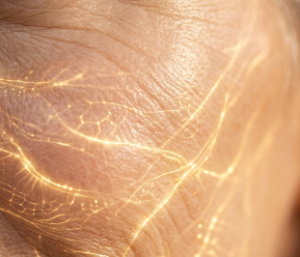
Skin longevity is a complex and developing field. It involves several biological mechanisms that support the preservation of skin structure, function and resilience over time. Unlike classic anti-wrinkle testing, which focuses mainly on visible signs of aging, skin longevity looks at the biological processes that influence how skin ages.
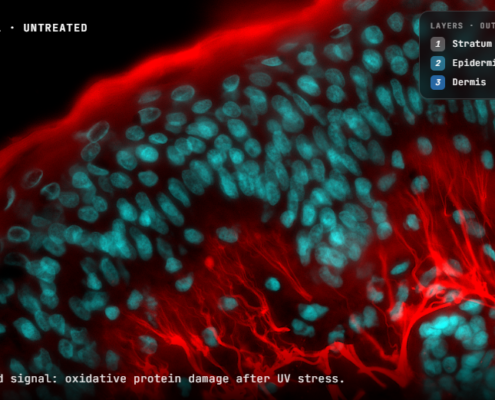
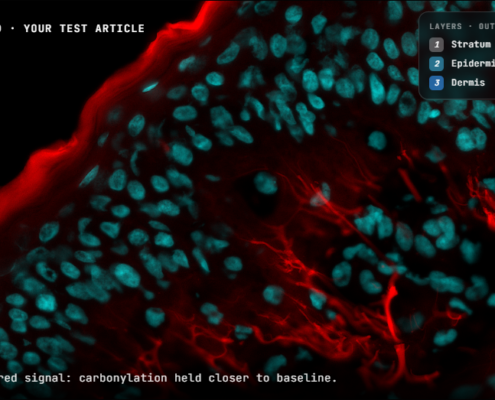
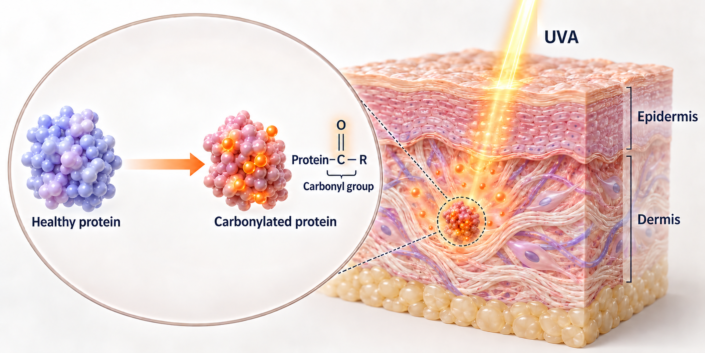
The Longevity SCORE (Standardized Carbonylation Oxidative Resilience Evaluation) helps to quickly evaluate a product’s potential in terms of skin longevity. It reflects the product’s ability to reduce protein carbonylation in UV-stressed human skin tissue: the greater the reduction in oxidized protein damage, the higher the SCORE. It is designed as a first step in this process and can help R&D teams assess a new molecule or formula at an early stage, compare several candidates, identify the most promising ones and select the most relevant next tests for a broader longevity package.
From a SCORE to a development decision.
Key takeaway :
- The Longevity SCORE provides an early way to assess the potential of a product or active ingredient, compare candidates and decide which ones should move to further skin longevity testing.
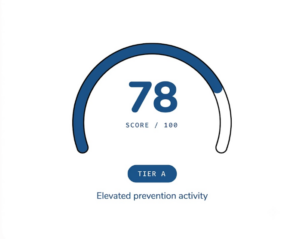
- The SCORE converts the product’s ability to reduce a validated biomarker, the protein carbonylation in skin tissue, into a standardized value from 0 to 100. The greater the reduction in carbonylation, the higher the SCORE.
- The response is measured in both the epidermis and dermis of organotypic, ex vivo human skin. The two measurements are combined into a composite score from 0 to 100 and benchmarked against known reference actives.
Know where your product stands on skin longevity.