Progressive telomere shortening with cell division
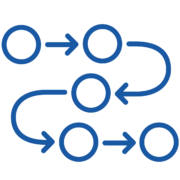
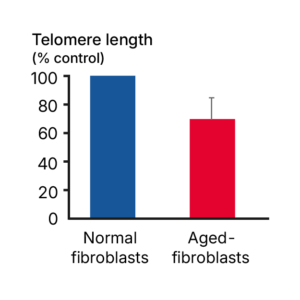
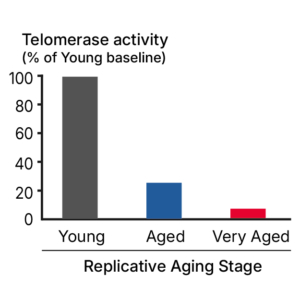
With each replication cycle, skin cells lose a segment of telomeric DNA. Without sufficient telomerase activity to compensate, this shortening accumulates over time, gradually eroding the protective cap that maintains chromosomal stability. Capturing it accurately calls for a sensitive relative-length measurement, not a simple endpoint stain.
Loss of telomere-capping integrity
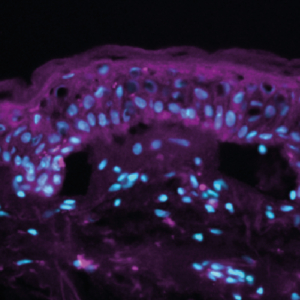
Functional telomeres depend not only on their length but on the integrity of the shelterin complex, a set of proteins that caps and protects chromosome ends. When capping weakens, chromosome ends become exposed to DNA damage response signalling, a mechanistic readout that can feed directly into a claims file.
Telomere-driven DNA damage and senescence
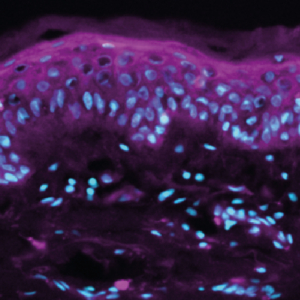
Critically short or uncapped telomeres trigger telomere-induced foci (TIFs), localised DNA damage signals detected by γH2AX and 53BP1. These signals activate p16 and p21 expression, locking cells into a senescent state that contributes to inflammaging and extracellular matrix degradation in the dermis.